
Radio is a terrifying medium
How Radio Supports the System and Why It's Terrible

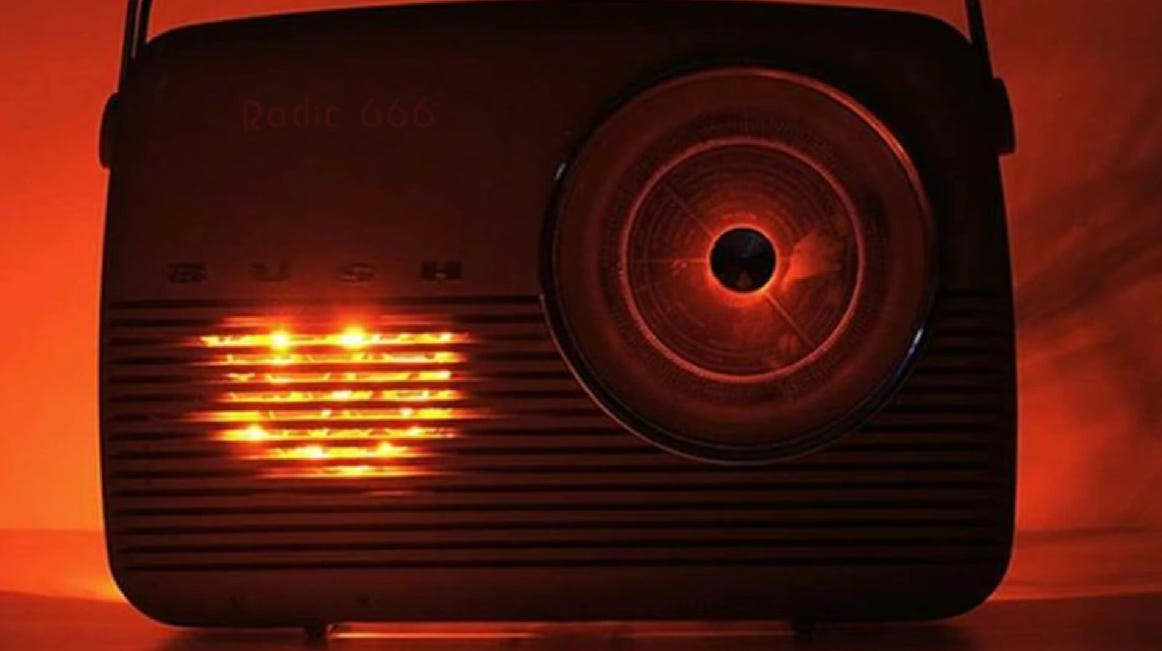
Radio is a terrifying medium. And I’m not talking here about the fact that radio in particular stupefies, manipulates, or lies, but because it operates precisely where one no longer has the strength to defend oneself. Radio often turns on not in a moment of contemplation, or as a pleasant addition to all the happiness in our lives, but when we are tired by the very fact of existing. I’m talking about mornings, on the way to work. In halls, factories, offices, cars stuck in traffic. Radio doesn’t demand attention, doesn’t require concentration; it’s like the background noise of life, like the sound of a fan or an engine, constantly present but barely noticeable. And when you think about it, radio doesn’t try to fight reality at all. It doesn’t propose an alternative, it doesn’t open cracks, it doesn’t challenge the order of things. Its function isn’t to oppose, but to help one survive. Radio understands the morning. It understands the moment when one is still half-conscious, internally absent, mentally behind the times. That’s why it responds with humor, banality, small jokes, contests, and trivialities that have no ambition to be funny. These jokes aren’t meant to be funny. Their purpose isn’t to amuse, but to shift your internal slider from “I can’t do it” to “I’ll manage somehow.” The function of jokes is to make you want to live.

Furthermore, radio creates the illusion of companionship, of fading alienation and community. And this is all thanks to the hosts, who sound familiar, safe, cheerful, and friendly. The host speaks as if we’ve known each other for years. As if we’d been drinking coffee together, stuck in the same traffic jam, or driving to the same job. In this sense, radio understands systemic depression better than any other medium. It doesn’t name it directly, analyze it, or diagnose it. It encapsulates it. It envelops it with laughter, voice, repetition, and the rhythm of the morning. It gives the feeling that “you’re not alone,” that we all wake up at the same time, we all drive to work, we all sit in the same traffic jams, we all share the same fatigue. This isn’t a solidarity of rebellion, it’s a solidarity of fate. Radio doesn’t build a community of resistance. It builds a community of reconciliation. A community of silent understanding that this is life and that today, just like yesterday, we simply have to get through it. Without drama, without grand words, without questions about meaning. With music in the background. With a voice saying, “It’ll be better soon,” even though we both know it won’t, but that it’s enough to be bearable. And that’s precisely why radio is terrifying. Because radio has a self-awareness of the system, but its goal isn’t to change and “wake up” society, but to preserve the status quo and awaken workers.